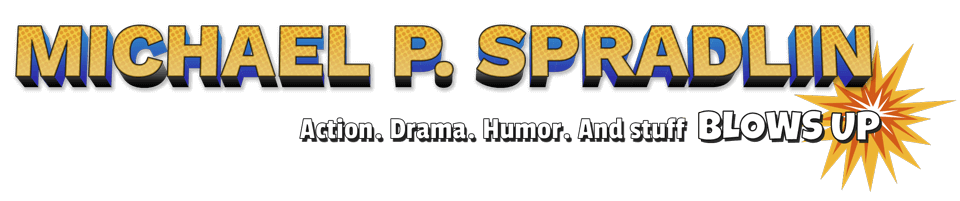

“This infant was call’d John Little,”
quoth he.
“Which name shall be chang’d anon,
The words we’ll transpose, so where-
ever he goes,
His name shall be called Little John.”
– English Ballad
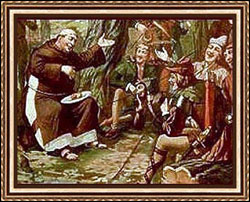 The Merry Men who followed Robin Hood in legend, song and stories are nearly always portrayed as a happy group of outlaws who reign havoc on the Sheriff and rich nobles of Sherwood and coming to Robin’s aid when he has gotten to smart for his own good and been captured.
By almost all accounts the Robin Hood legends include a group of followers, which varies in number from tale to tale. Some of the tales have Robin defending the poor and downtrodden of Sherwood with a small group of close associates. Others say Robin’s posse numbered in the hundreds.
While Robin Hood may have won the hearts and minds of the local populace, the citizens suffering under the oppressive rule of the crown, logic would seem to indicate a smaller group of bandits is the more likely truth. As large as Sherwood Forest is, it would be extremely difficult to hide and feed and equip a force of hundreds. Especially if you steal your supplies.
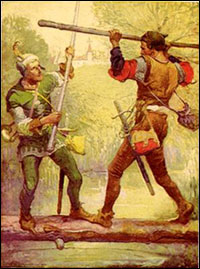 Most of the Robin Hood tales, regardless of the origin, include mention of the prominent ‘Merry Men’ most notably Little John, Will Scarlet, Allan Aydale (with dozens of different spellings of his last name) Much The Miller’s Son and of course Friar Tuck. But while the tales tell of Robin and his men as happy outlaws enjoying their fame as cunning foils for the Sheriff and the King. But in reality the term “Merry” in the Middle Ages referred to a group of men who were followers of a knight or outlaw. Only in recent usage has it come to mean happy or celebratory.
Likely, the Merry Men weren’t all that merry. This was the Dark Ages after all, and men forced to the woods, to steal for their supper, were not likely to inspire happy feelings. If you were a traveler making your way through Sherwood Forest at the time, you were probably more than happy to not meet the “Merry Men” under any circumstances.
You can download a newly posted crossword puzzle for The Youngest Templar: Orphan of Destiny here!
 As I’ve
 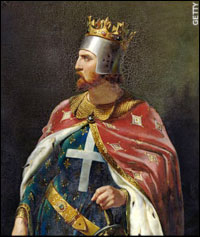 Richard was the Prince of Normandy before he became King of England. He was born to Henry II and Eleanor of Aquitaine. He lived most of his life in France and when he ascended to the throne, spent little time in England. He also spoke broken, heavily accented English and carried on most conversations in French. Richard spent so little time on English soil, his subjects referred to him as ‘the Absent King.’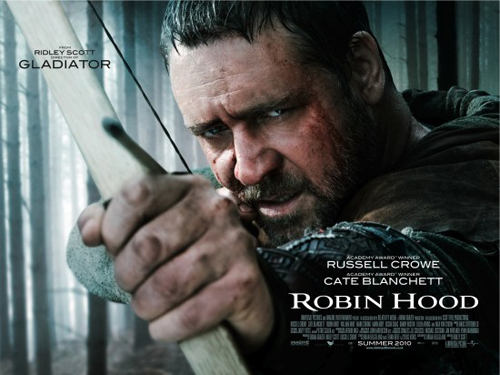


 Robin Hood was likely not “absurdly proficient” with a bow. He is said to have been a master of the bow and his exploits with the weapon have been glorified over time. In reality, the English longbow is an extremely difficult weapon to master and requires a great deal of strength to draw and aim. Splitting an arrow in half at fifty paces with another arrow would be highly unlikely. While Robin Hood may have been better than average archer, it’s unlikely he accomplished so many incredible shots.
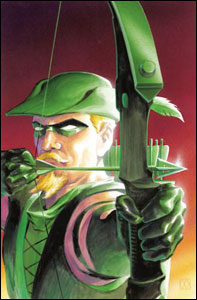 The DC Comics Super Hero Green Arrow Is A Modern Day Twist On The Robin Hood Legend! The Green Arrow, in the guise of his secret identity is a modern bowman who uses his uncanny archery skill to capture bad guys. In the origin story of Green Arrow, young Oliver Queen is obsessed with Robin Hood, and watches the Errol Flynn movie repeatedly. Later when he becomes Green Arrow, the mega-wealthy Queen renounces his riches and takes up his bow to defend the poor and the weak in Star City, following in the footsteps of Robin Hood as a protector of the down-trodden.

